Shame on R. Kelly? Shame on Us
Story Highlights
- America has a history of publicly humiliating powerful black men
- It's easier to believe that R. Kelly's woes are a result of a conspiracy
- We still fail to talk about the prevalence of sexual assault and rape of young black boys and girls
By Mark Anthony Neal on May 13, 11:39 AM
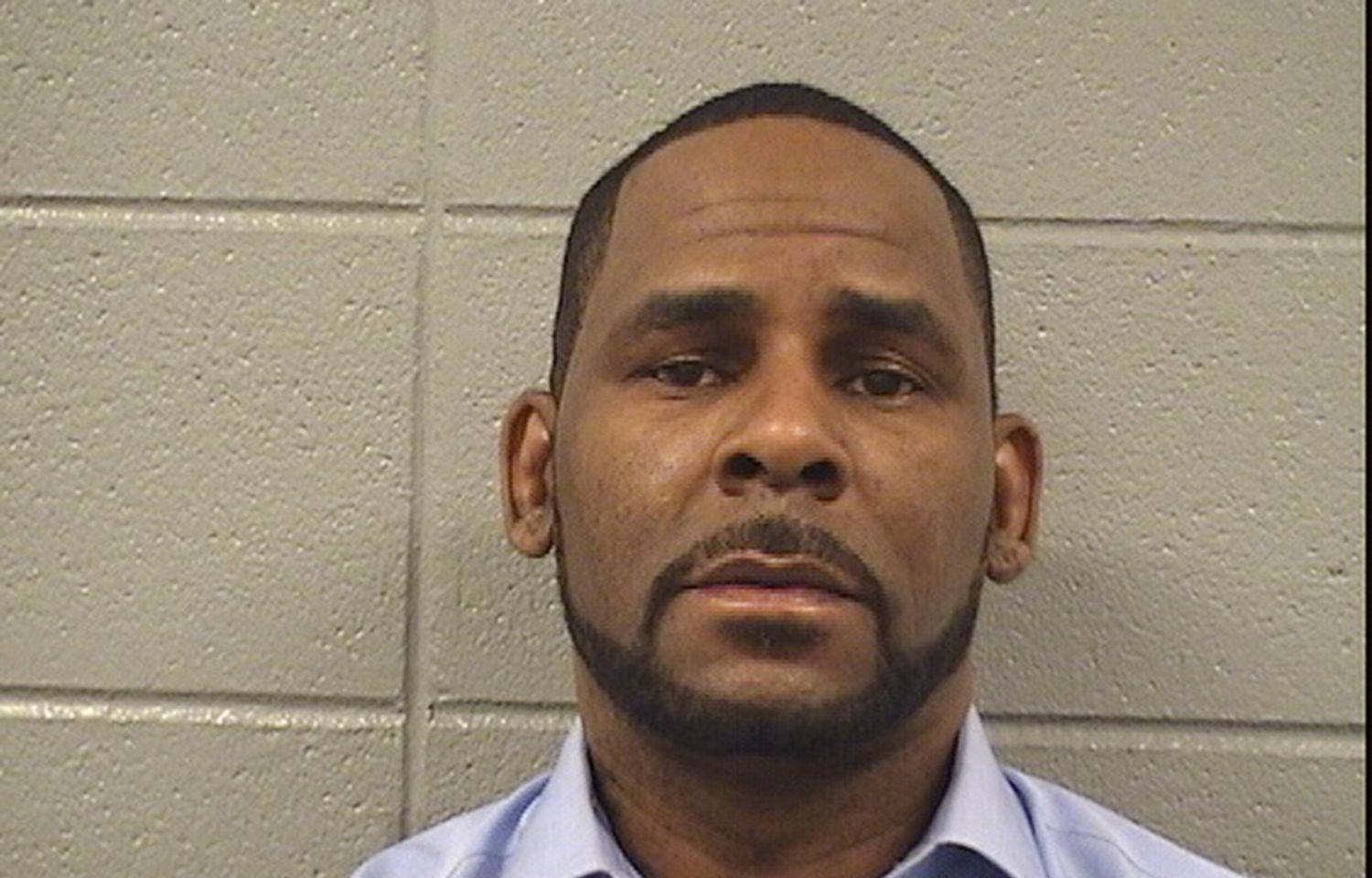
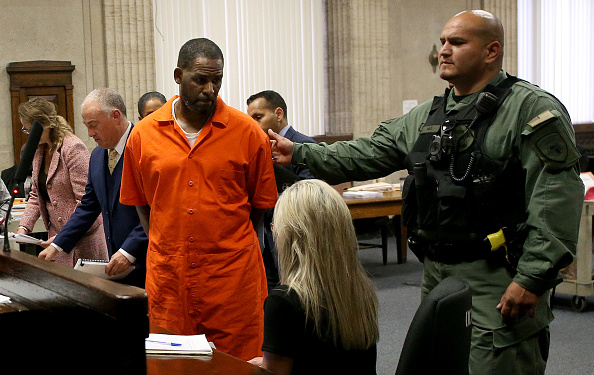
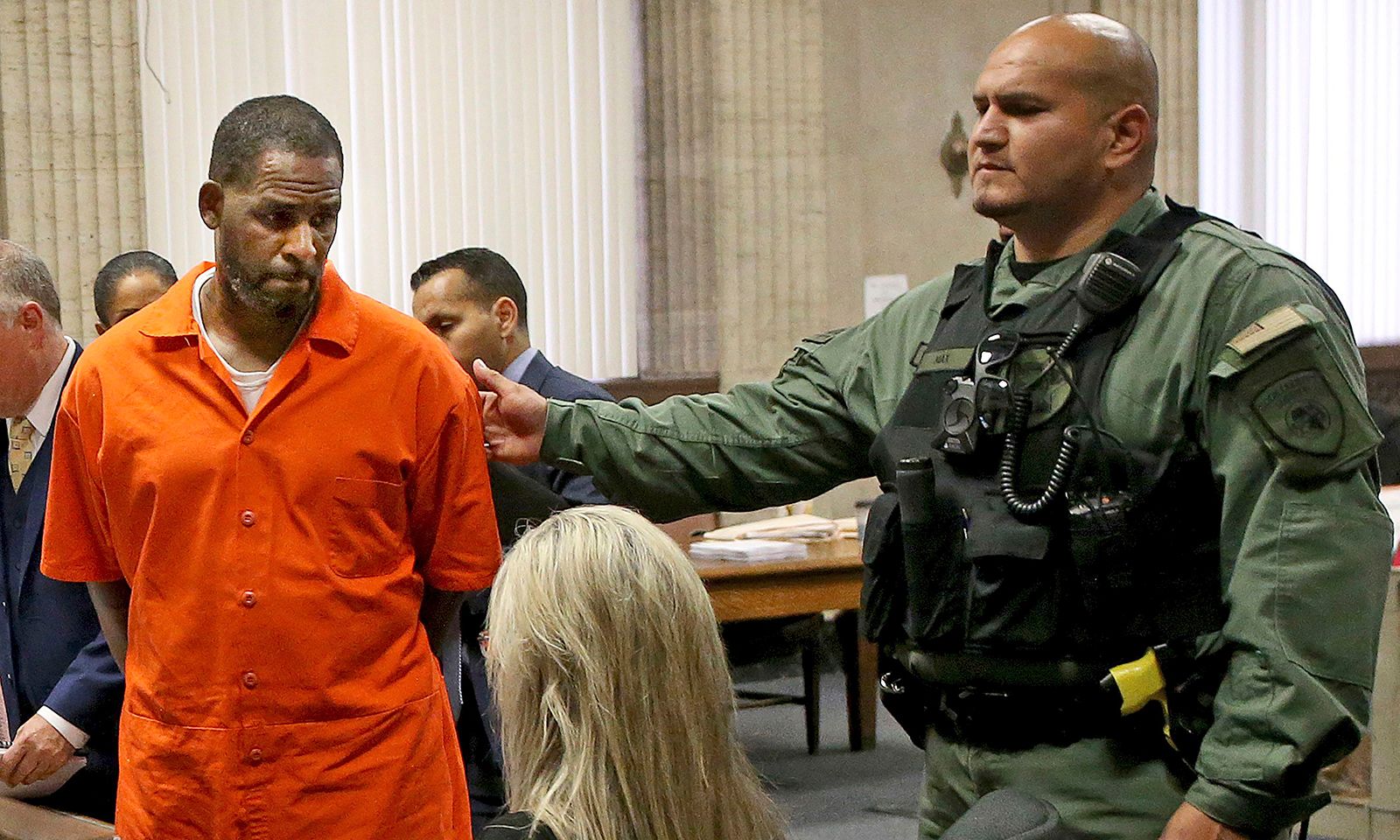
It's been nearly six years since Robert Kelly was indicted on 21 counts of child pornography and sexual molestation. After a number of delays, leading many to believe that the case would never come to trial, the man known by millions of fans as R. Kelly finally walked into a Chicago court room to face a jury of his peers regarding the 14 counts of child pornography that remain.
For the next few months R. Kelly's life will become fodder for blogs, 24-hour cable and a nation of celebrity-addicted on-lookers who have little regard for Kelly's humanity. More importantly, though, very few if any, will show any regard for the young girl-now purportedly a 20-something woman-whose presence in the infamous sex tape was the impetus for the case.
This country has a long history of publicly humiliating highly visible and powerful black men for criminal acts and lapses of judgment. In the early 20th century, heavyweight boxing champion, Jack Johnson was punished for flaunting his relationships with white women (he, like former New York governor Eliot Spitzer, was accused of violating the Mann Act, or, the interstate transport of prostitutes). Former Washington D.C. mayor Marion Barry appeared in a very public FBI surveillance tape hitting a crack-pipe with informant, Rasheeda Moore.
For some in our community, it has often been easier to believe that the disgrace befalling men like Johnson and Barry was the product of a larger conspiracy to undermine strong black men, than to admit that these men deserved closer scrutiny or punishment.
Not surprisingly, in the years after the Kelly indictments, he is arguably more popular than at any time in his career. While Kelly owes part of that success to a keen ability to produce good music, it also speaks to the extent that we have protected him.
The indictments pivot on a bootlegged videotape in which Kelly is said to have sex with an underage girl. The video is easily the biggest "hit" of Kelly's career. The fact that untold millions have viewed, downloaded or purchased bootlegs of the Kelly sex tape, speaks to the extent that so many of us are complicit in the crimes for which Kelly stands trial. Few who have forwarded links of the video, for example, seem to be aware that they might be trafficking in child pornography.
Perhaps this is to be expected in a society that shows little regard for black girls and, among those black folk loathe to air the dirty laundry of dysfunctional and criminal behavior that occurs in some of our homes. And those critical of R. Kelly as simply a stand-in for the moral failings of the hip-hop generation often choose to ignore or forget that former Illinois Congressman, Mel Reynolds had sex with a 16-year-old campaign worker, or that, according to Patti LaBelle, the late rhythm and blues star Jackie Wilson attempted to rape her when she was a young performer with The Bluebelles in the 1960s.
The larger point here is that with few exceptions--notably What About Our Daughters?-- little of the conversation surrounding the R. Kelly case has dealt with the prevalence of sexual assault and rape of young black girls and boys.
While we all can criticize the shamelessness of mainstream media and celebrity culture in the coverage of "events" like the R. Kelly trial, we should all feel a little shameful that the incident depicted in that much-downloaded videotape, did not incite our anger and vigilance--regardless of whether Robert Kelly was in the room.
Mark Anthony Neal, a Professor of African & African-American Studies at Duke University, has written extensively about R. Kelly, including the essay "The Tortured Soul of Marvin Gaye and R. Kelly" which appears in the 2004 edition of Da Capo Best Music Writing. He is the author of New Black Man: Rethinking Black Masculinity (2005).


Add to Technorati